Light, bake, final
Quick test bakes, probes right after, then final-reviewer signs the look.

A bake computes the lighting once and stores it in textures called lightmaps. Light Volumes light the things that move, such as players and pickups.
Three bake rules
| Rule | Why |
|---|---|
| Every test bake is a QUICK bake of at most 10 minutes | a test must not cost an hour. Re-baking is fine. |
| Reflection probes are baked right after every lighting bake | a new bake makes the old reflections wrong |
| One bake on the machine at a time | several agents share one graphics card |
What a bake fixes
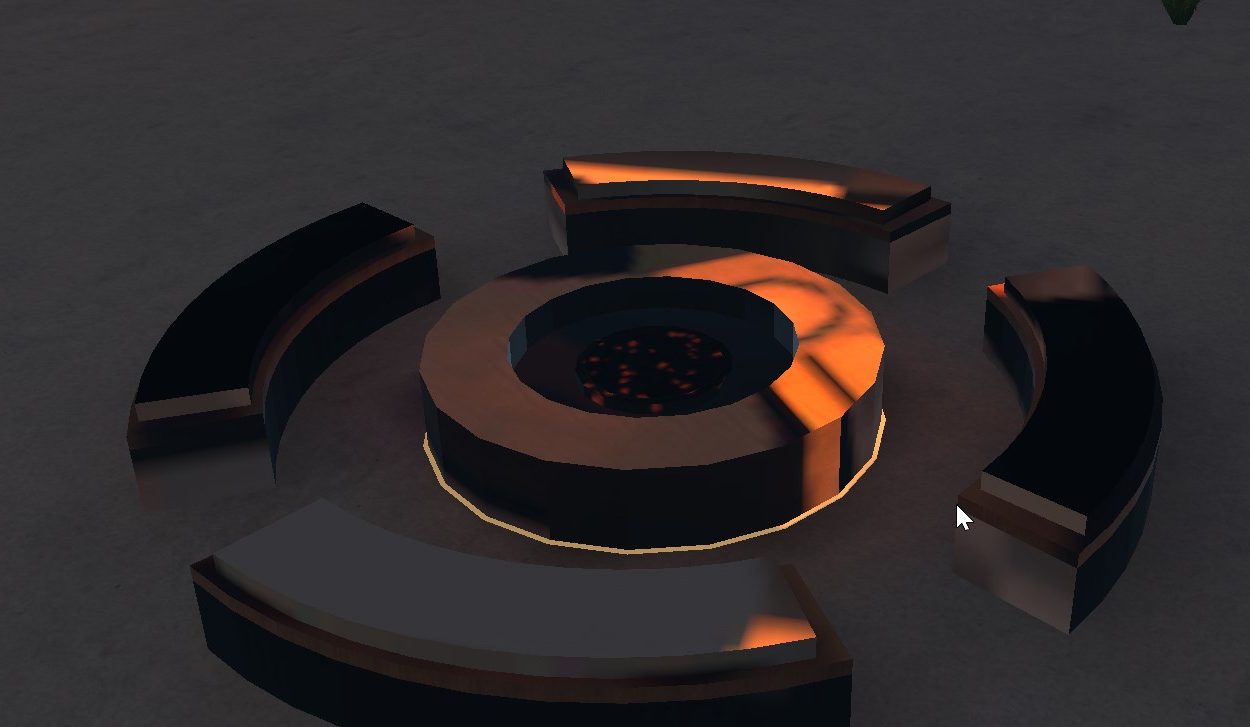
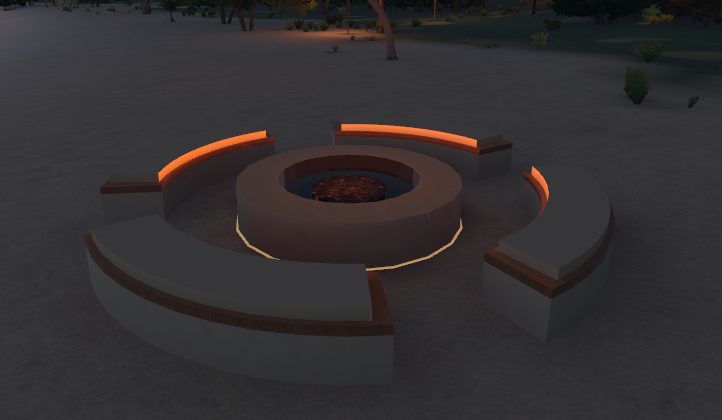
Baked at dusk
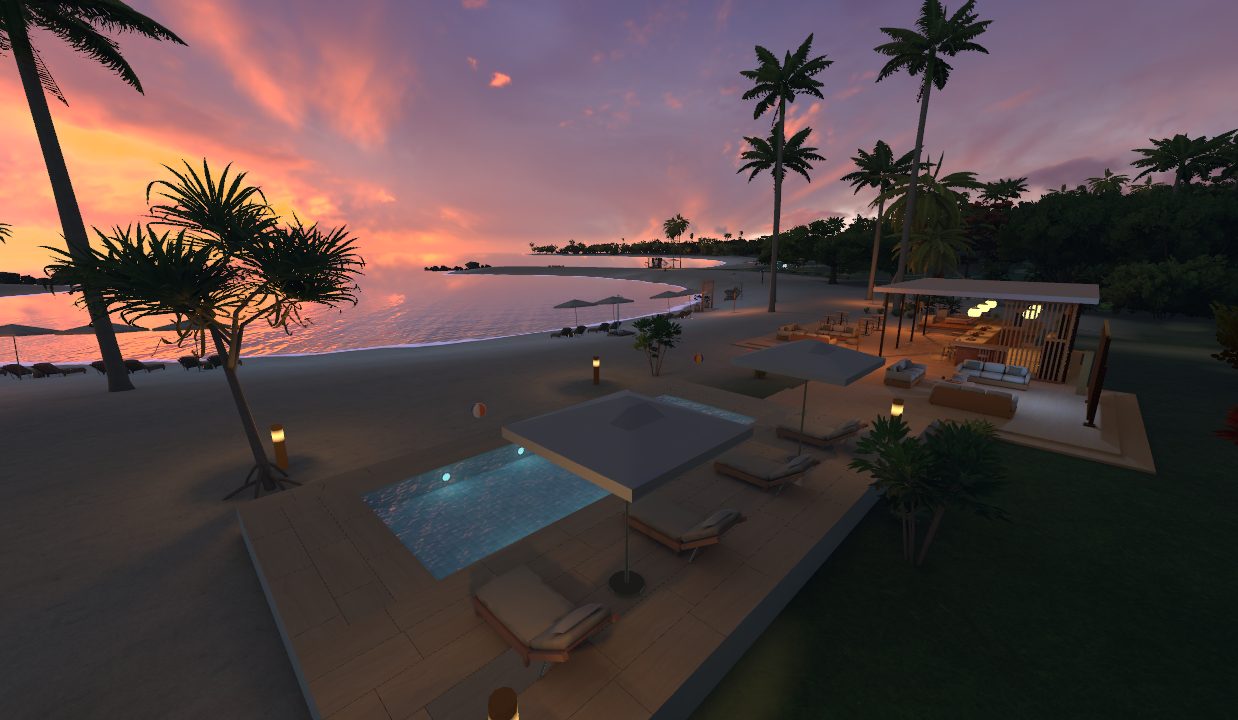
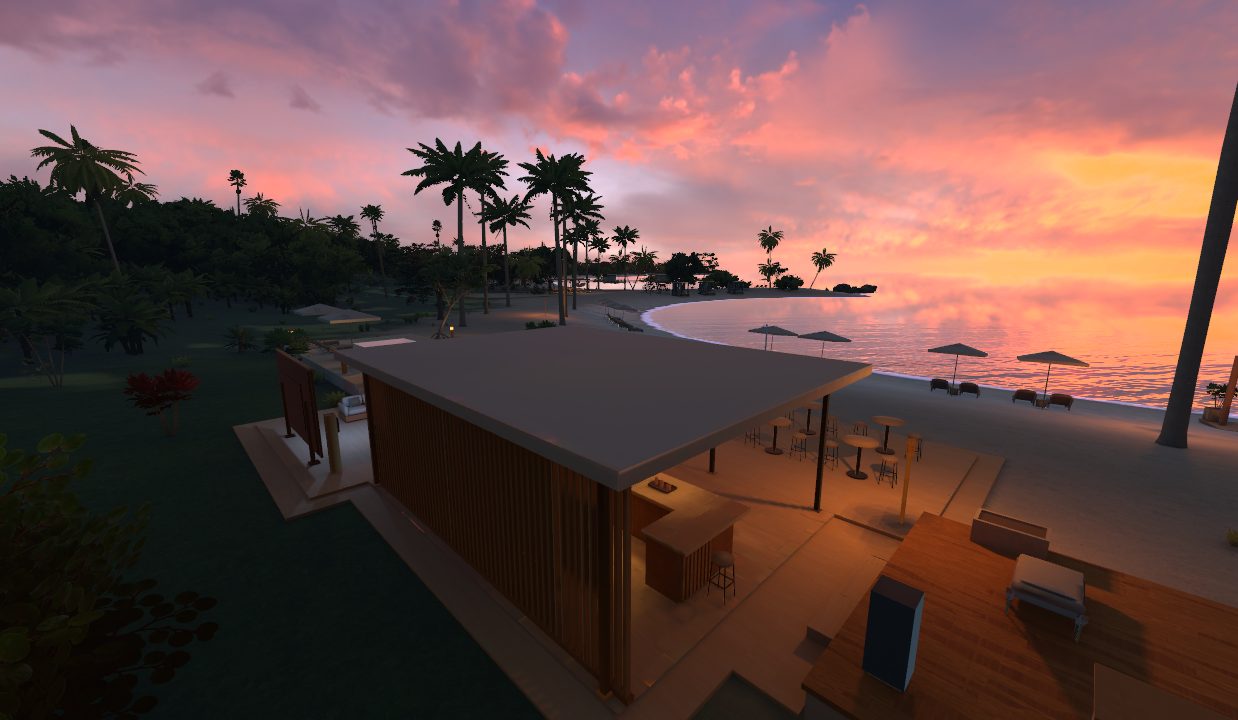
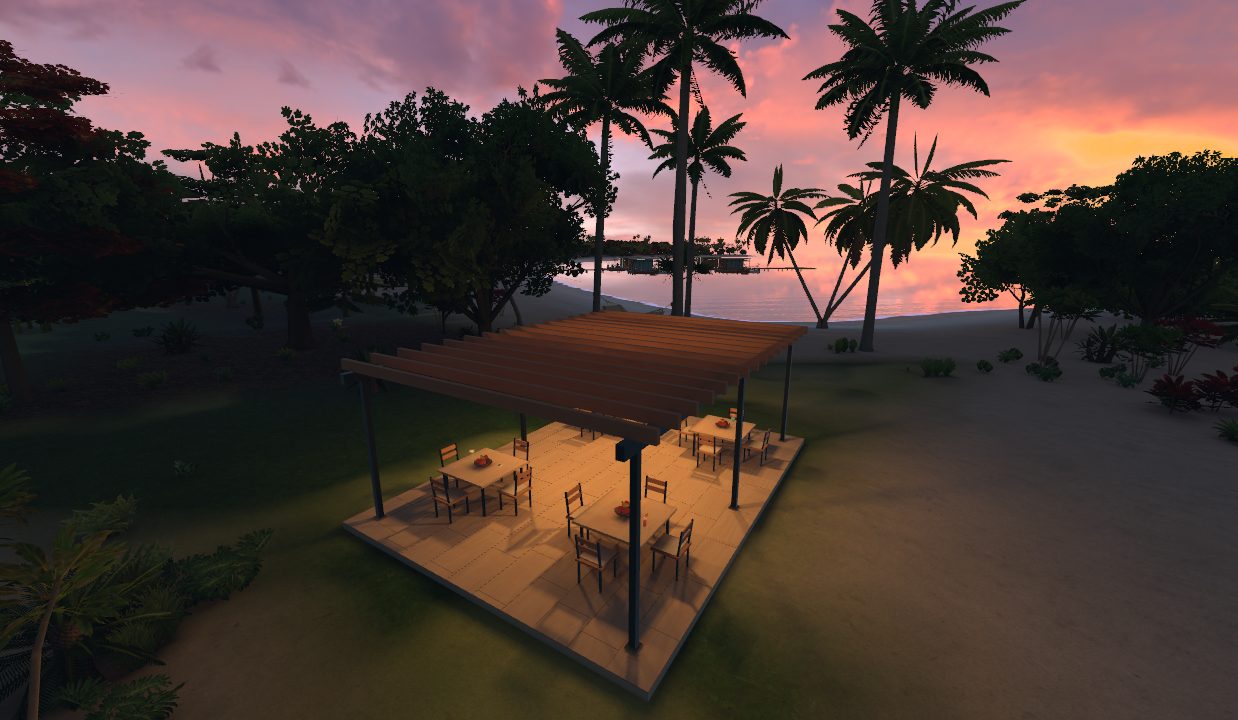
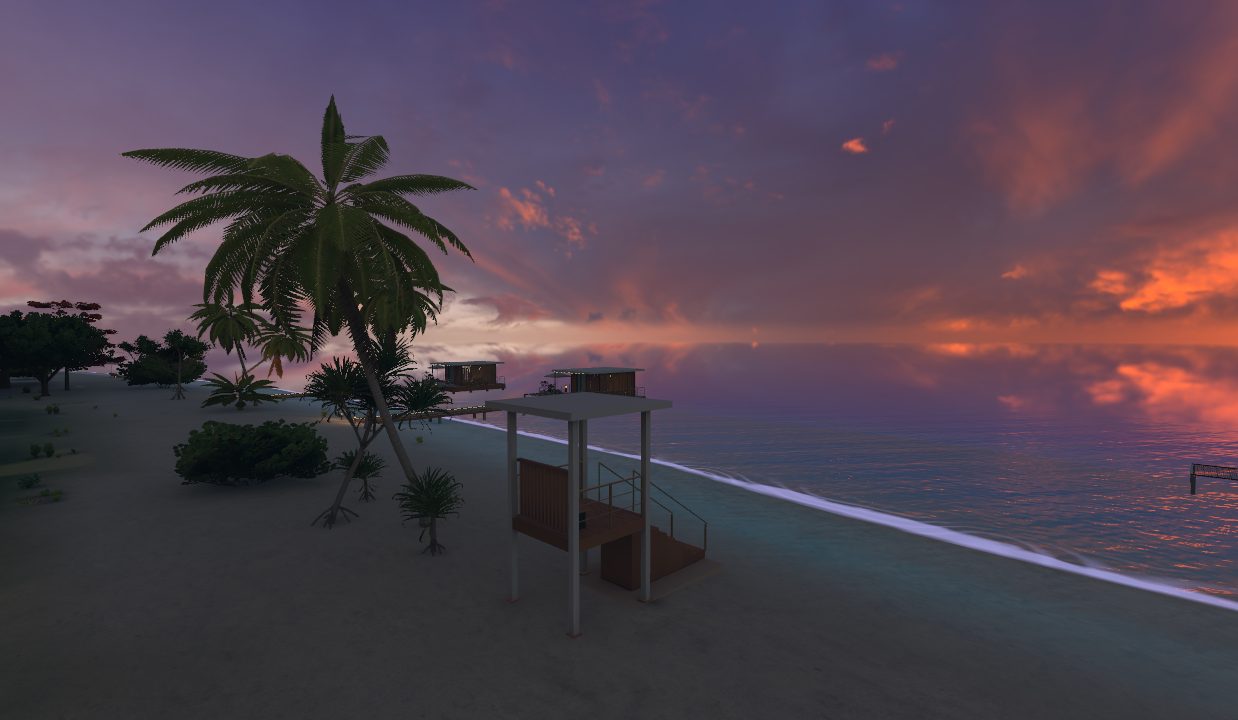
Crescent Lagoon after a bake. These are captures of a baked state, not sign-off pictures.
The final gate
Final gate · final-reviewer
final-reviewer works in three modes.
| Mode | When | Judges |
|---|---|---|
| DRAFT MOOD | on the draft bake | mood against the style boards |
| FINAL | after the final bake, the probes and M2 | lighting, bake quality, probes, final polish, world extent. The visual sign-off. |
| PERF REGRESSION | after performance work | what the performance changes did to the look |
- mood against the boards
- bake quality, object by object
- Light Volume coverage
- reflections
- final polish
- world extent and clip planes
- losses from performance work
Never judged here: composition, models, materials, runtime. The earlier gates own those.
Performance
perf-optimizer measures in play mode, finds what each part of the world costs, and applies fixes that can be undone.
Any fix that changes the look goes to final-reviewer as a same-camera before and after pair.
A change goes back to C
flowchart LR
  d["A review in phase D<br/>finds a build issue"] --> c["Fix as a C.1 or C.2 pass<br/>with its gates"]
  c --> redo["Redo the affected D steps:<br/>re-bake, probes, M2, final review"]:::final
  classDef final stroke:#1f6feb,stroke-width:2px
A replaced model passes the model gate first. A fix to anything that runs goes through the runtime gate again.
Next: Findings.